
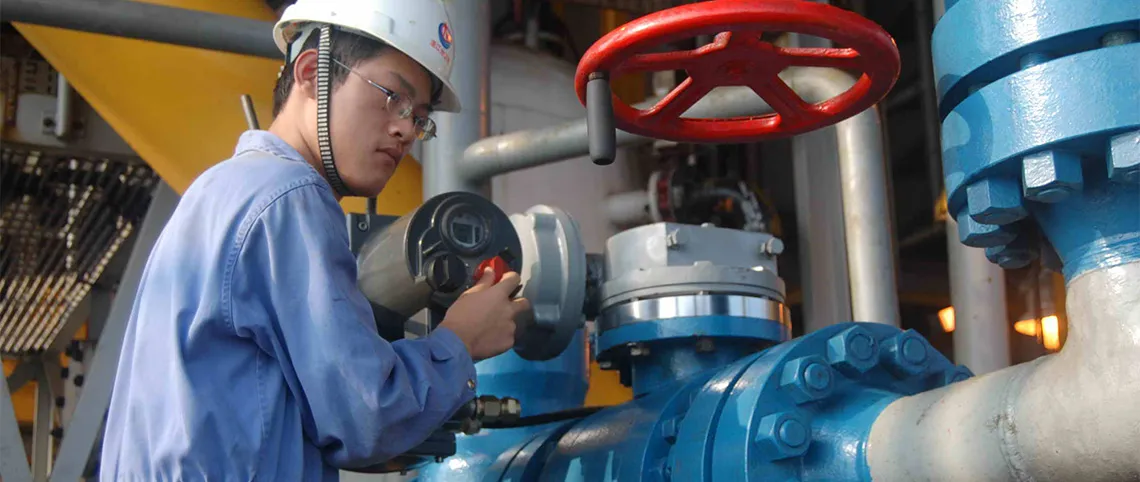
light up bathroom vanity mirror
Understanding the 3% 204% Butterfly Valve A Comprehensive Guide Butterfly valves are vital components in various industrial applications, serving as effective mechanisms for regulating fluid flow. Among the different types of butterfly valves, the 3% 204% butterfly valve stands out due to its design efficiency and operational reliability. This article delves into the characteristics, applications, and advantages of the 3% 204% butterfly valve. What is a Butterfly Valve? A butterfly valve is a type of quarter-turn valve that uses a rotating disc to regulate flow. The mechanism consists of a disc, which is mounted on a rotating shaft. When the valve is opened, the disc turns to allow fluid to pass through, and when closed, it rotates perpendicular to the flow, effectively blocking it. This design makes butterfly valves suitable for a wide range of applications, including water treatment, chemical processing, and power generation. Characteristics of the 3% 204% Butterfly Valve The designation 3% 204% refers to specific operational parameters and material properties that define this butterfly valve. Common features include 1. Flow Control Efficiency The 3% indicates that the valve provides precise control over the flow rate, allowing for variations in fluid demand without compromising system performance. 2. Pressure Rating The 204% typically signifies the valve's pressure capabilities, able to withstand significant pressure levels, making it suitable for high-pressure applications. 3. Material Composition The materials used in the construction of these valves are often corrosion-resistant, allowing them to operate effectively in harsh environments. Common materials include stainless steel, cast iron, and other alloys that enhance durability. 4. Size and Design 3% 204% butterfly valves are available in various sizes to accommodate different pipe diameters, making them versatile for various installations. Applications of 3% 204% Butterfly Valves Due to their robust performance characteristics, 3% 204% butterfly valves are employed in numerous sectors - Water Treatment These valves are widely used in water supply systems to control flow rates, ensuring that clean water is efficiently delivered to consumers. 3 4 butterfly valve - Chemical Processing The ability to withstand corrosive substances makes the 3% 204% butterfly valve an ideal choice for the chemical industry, where precise flow control is crucial. - Power Generation In power plants, these valves facilitate the management of steam and other fluids, contributing to the overall efficiency of energy production processes. - HVAC Systems The versatility of the 3% 204% butterfly valve also extends to heating, ventilation, and air conditioning systems, where they help regulate airflow for optimal climate control. Advantages of Using 3% 204% Butterfly Valves 1. Space Efficiency Butterfly valves are compact compared to other valve types, making them ideal for installations where space is limited. 2. Cost-Effectiveness Their design allows for lower manufacturing and installation costs, making them a cost-effective choice for many applications. 3. Simplicity of Operation The quarter-turn operation simplifies the control of flow, allowing for faster response times in dynamic systems. 4. Low Maintenance With fewer moving parts compared to other valve types, the 3% 204% butterfly valve requires less frequent maintenance and has a longer service life. 5. Versatility These valves can handle various liquids and gases, accommodating diverse industry requirements. Conclusion The 3% 204% butterfly valve is a remarkable example of modern engineering efficiency, offering reliable flow control across various applications. Its robust construction, coupled with versatility and cost-effectiveness, makes it a preferred choice for engineers and operators alike. As industries continue to evolve and demand more efficient fluid management solutions, the importance of such valves in their operational success can only be expected to grow. Whether in water treatment facilities, chemical plants, or power stations, the application of 3% 204% butterfly valves will remain integral to efficient and effective fluid management.
about
light up bathroom vanity mirror
Replacing the Pressure Valve on Your Water Heater Water heaters play a crucial role in our daily lives, providing us with the hot water we need for showers, cooking, and cleaning. However, like any appliance, they can encounter problems over time. One common issue is a malfunctioning pressure relief valve, which is essential for preventing excess pressure buildup within the heater. In this article, we will discuss how to identify the need for a replacement and the steps involved in replacing the pressure valve on your water heater. Understanding the Pressure Relief Valve The pressure relief valve is a safety device designed to release excess pressure from the water heater. Under normal operating conditions, it allows steam or water to escape if the pressure exceeds a predetermined level, thus preventing possible explosions or damage to the unit. Typical indicators of a malfunctioning pressure relief valve include water leaking from the valve or a hissing sound coming from the heater. Signs You Need to Replace Your Pressure Relief Valve 1. Visible Water Leakage If you notice water pooling around the valve or drips coming from it, this could indicate that the valve has failed and needs replacement. 2. Excessive Pressure Release A valve that frequently releases water, even when the heater is not under heavy use, can signify that it is no longer functioning correctly. 3. Old Age If your water heater is more than 5-10 years old, it’s a good idea to inspect the pressure valve, as it may have reached the end of its life cycle. 4. Discoloration or Corrosion If you see rust or corrosion on the valve, it might be time to replace it to prevent further complications. Steps to Replace the Pressure Relief Valve replacing pressure valve on water heater Tools and Materials Needed - Adjustable wrench - Teflon tape - Bucket or towel for spills - New pressure relief valve (ensure it matches the specifications of your existing one) Step 1 Turn Off the Water Heater Before starting any maintenance, make sure to turn off the power supply to the water heater. If it’s an electric water heater, unplug it or switch off the circuit breaker. For gas heaters, turn the thermostat to the ‘vacation’ or ‘off’ setting. Step 2 Shut Off the Cold Water Supply Locate the cold water supply valve at the top of the water heater and turn it off. This will prevent new water from entering the tank. Step 3 Drain the Tank Using a bucket or hose, drain a small amount of water from the tank to reduce pressure. There should be a drain valve at the bottom of the heater. Open it and let water flow until the pressure is adequately relieved. Step 4 Remove the Old Valve Using your adjustable wrench, carefully unscrew the old pressure relief valve from its housing. Be cautious to avoid damaging the threads. Step 5 Install the New Valve Apply Teflon tape to the threads of the new pressure relief valve to ensure a proper seal. Screw it into place, making sure it is tight but not overtightened, as that could cause damage. Step 6 Restore Water Supply and Power Turn the cold water supply back on and allow the tank to fill. Once it’s full, check for leaks around the new valve. If there are no leaks, you can restore power to the heater. Step 7 Test the Valve After everything is back in position, test the new pressure relief valve by lifting the lever. You should hear a hissing sound as water is released, indicating it’s functioning properly. Conclusion Replacing the pressure relief valve on your water heater is a manageable task that can enhance the safety and efficiency of your appliance. By being attentive to signs of malfunction and following the steps outlined above, you can ensure that your water heater continues to operate safely for years to come. If you feel uncomfortable performing this task yourself, don’t hesitate to call a professional plumber. Your safety is paramount!
-

High quality industrial productsagement

High quality industrial products
View Details -

Meet the diverse needs of customers

Meet the diverse needs of customers
View Details -

Strict quality control

Strict quality control
View Details -

Top raw materials

Top raw materials
View Details -

Trusted supplier

Trusted supplier
View Details
Our application



news and information
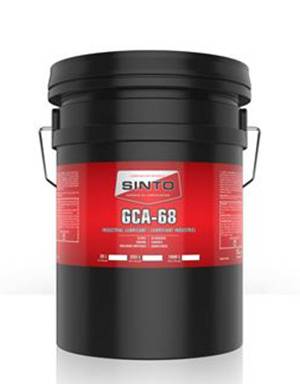
Valvola a farfalla da 50 mm per applicazioni industriali e sistemi di tubazioni
Valvola a Farfalla da 50 mm Un Elemento Chiave per il Controllo dei Fluidi La valvola a farfalla rap
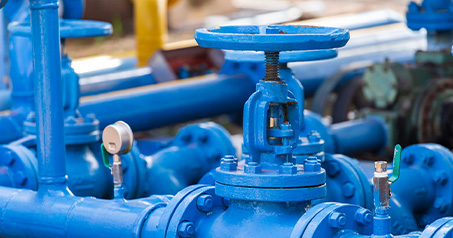
Wasserventil abgeschaltet
Wasserabsperrventil Notwendigkeit und Anwendung In der modernen Haustechnik spielt das Wasserabsperr
Versatile Large Metal Strainer for Efficient Kitchen Tasks and Food Preparation Needs
The Benefits and Versatility of Large Metal Strainers In the culinary world, the tools we use can si
 English